

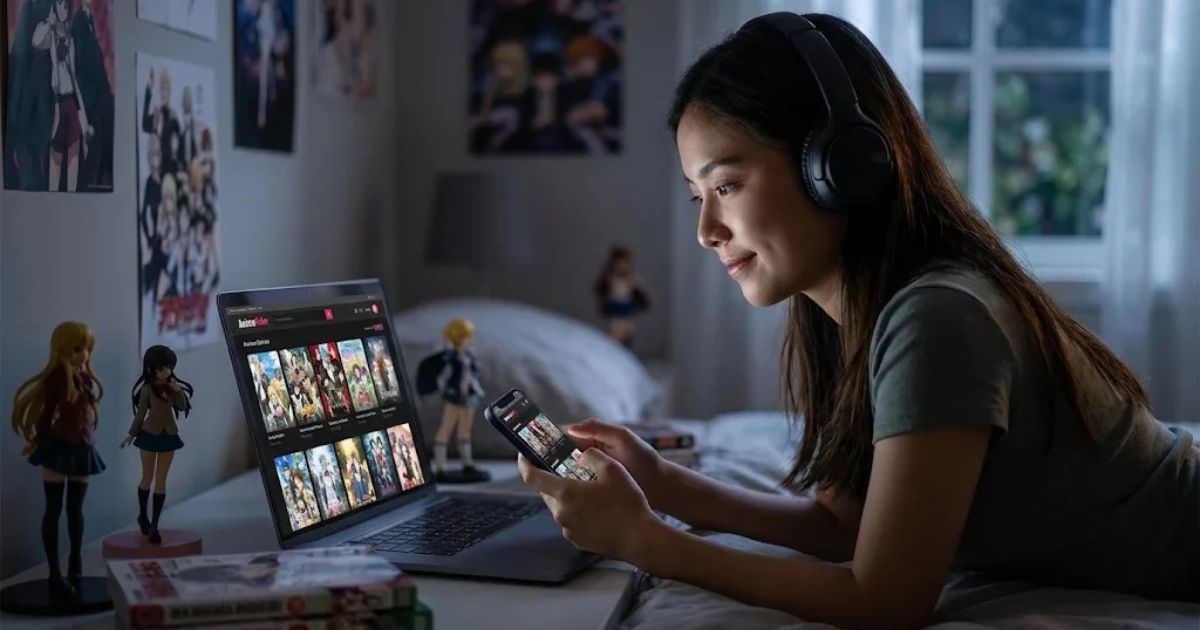
AnimePahe is an unofficial anime streaming and downloading website. It is not licensed by Japanese studios, production committees, or international distributors, which means its episodes are generally offered without the rights holders’ permission. Watching or downloading that content can infringe copyright in most countries, and the site carries security risks common to unlicensed streaming sites.
Many people first hear about AnimePahe from a friend, a forum thread, or a search result promising free episodes. Before you click, you should know what the site is, why its legal status matters, and what it could expose you to. This guide covers how unlicensed anime sites work, the legal picture for viewers, the security risks to watch for, and licensed services you can use instead. It is written for anime fans deciding where to watch, parents who want to know what their kids may be using, and anyone who has already visited the site and wants to check their safety.
What AnimePahe Is
AnimePahe is one of many unlicensed websites that collect anime episodes and make them available to stream or download. It organizes content by series and season, and it is supported by advertising rather than subscriptions.
The key point is the licensing status. Anime is protected by copyright. Studios, publishers, and rights holders decide who may stream a series, in which countries, and for how long. Licensed services such as Crunchyroll pay for those rights. AnimePahe does not.
Like many sites in this category, it has operated under several domain names over the years. That pattern is explained later in this article.
Why People Search for AnimePahe
The appeal is easy to understand. Searchers usually have one or more of these frustrations:
- Cost. Subscriptions add up, especially when a series is spread across several services.
- Availability. A show may be licensed in one country but not in theirs.
- Convenience. Some viewers want a large back catalog in one place.
- Timing. Fans who want to watch a new episode the day it airs in Japan often look for faster options.
These concerns are real. They are also the reasons licensed services have expanded their libraries and regional availability over the past several years. The sections below explain the trade-offs honestly, including where legal options fall short.
Is AnimePahe Legal?
Short answer: No. AnimePahe is not licensed to distribute the anime it offers, so its content is generally unauthorized.
Two questions matter here, and they have different answers.
1. Is the site legal to operate?
In most countries, no. A site that hosts or distributes copyrighted episodes without permission is generally infringing copyright. Rights holders and their representatives have pursued action against piracy sites in many jurisdictions, though enforcement varies in scope and effectiveness.
2. Is it illegal for a viewer to use the site?
This depends on the country.
- Japan: Copyright law was revised in 2020, with the broader scope for illegal downloads of copyrighted content taking effect in January 2021. Knowingly downloading pirated copyrighted material can carry legal penalties there, including fines and, in some cases, prison terms.
- Many other countries: Streaming unlicensed content may still infringe copyright, even when viewers are rarely pursued directly. Downloading, sharing, or re-uploading episodes carries more legal risk than casual viewing in many places.
Enforcement against individual viewers is uneven. That does not make the activity legal. It only means the risk is hard to predict.
Important: This is general information, not legal advice. If you have a specific legal concern, consult a qualified lawyer in your jurisdiction.
Security Risks of Unlicensed Anime Sites
Unlicensed streaming sites usually earn revenue from advertising. Many of those ads come from networks with limited oversight, and that creates the main security problem. The patterns below are common across piracy streaming sites in general.
Typical risks include:
- Pop-up and redirect chains. One click can open several new tabs or send you to unrelated sites.
- Fake play and download buttons. Some buttons look like the video player but lead to a different page or a file download.
- Unwanted software. Pop-ups may claim you need a “player update” or “codec” to continue. These are often malware or adware.
- Phishing copies. Lookalike sites may ask for logins, payment details, or personal information.
- Tracking and data collection. Ad scripts can collect browsing data, sometimes without clear disclosure.
Warning signs to watch for:
- Requests to install a browser extension, program, or update before playback
- Pages that ask for payment or account details to watch a free episode
- Downloads that arrive as executable files (.exe) or as compressed archives you did not expect
- Frequent changes to the URL combined with pages that look identical to one another
If You Already Clicked Something Suspicious
- Close the tab and do not click further ads.
- Do not install any software the site asked for. If you already installed something, uninstall it from your system’s app list or extensions page.
- Run a reputable security scan using software you already trust or your operating system’s built-in security tool.
- Check your browser extensions and remove any you do not recognize.
- Change passwords if you entered them on the site, and turn on two-factor authentication for important accounts.
- Watch your bank and card statements if you entered payment details. Contact your bank if anything looks unfamiliar.
Why AnimePahe’s Web Address Keeps Changing
Sites like AnimePahe often move between domain names. The main reasons include:
- Blocking. Internet providers in some countries block known piracy domains through DNS or IP restrictions.
- Legal action. Courts and registrars can order domains suspended or seized.
- Operator choice. Operators sometimes move to new domains to avoid blocks.
This instability creates a second risk. Search results, forums, and social posts often list “new” or “mirror” addresses. Many of these are clones built to collect data or push malware. Official services do not publish lists of working piracy domains, so treat any such list as unreliable and potentially dangerous.
Legal Alternatives to AnimePahe
Licensed services offer a real alternative, though the details depend heavily on where you live. The table below lists examples of services that are known for licensed anime. Availability, pricing, and included titles change often, so check each service’s official site before subscribing.
| Service | What it is known for | What to check |
|---|---|---|
| Crunchyroll | Large licensed anime library, many simulcasts, free ad-supported tier and paid tiers | Which titles and simulcasts are available in your country |
| Netflix | Licensed anime and anime originals | Titles differ by region, and some series rotate off |
| HIDIVE | Anime-focused licensed catalog | Regional availability and plan options |
| Prime Video | Anime available through add-on channels in some regions | Whether your country offers anime channels |
| Ani-One (YouTube) | Free licensed episodes in some regions | Which regions and series are included |
| Muse Asia (YouTube) | Free licensed content in some regions | Regional restrictions and series availability |
| Japanese services (for example, dアニメストア, U-NEXT, ABEMA) | Japanese-market catalogs, some with free tiers | Usually requires Japanese-market access or payment methods |
Comparing Free and Paid Legal Options
| Factor | Free, ad-supported tiers | Paid subscriptions |
|---|---|---|
| Cost | No subscription fee | Monthly or annual fee |
| Ads | Yes, often between episodes | Usually ad-free or fewer ads |
| Simulcast access | Sometimes limited | Often broader |
| Offline viewing | Usually not included | Often included in official apps |
| Catalog depth | Often smaller | Often larger |
| Regional limits | Common | Common |
Free legal tiers are a good way to sample a series before committing money. They are not always the best option for a full catalog.
How to Choose a Legal Way to Watch
Follow these steps to find the right service:
- Confirm your country. Licensing depends on location. Your account region matters more than where you happen to be traveling.
- Search the title on the official service. Do not rely on third-party lists for availability.
- Decide between simulcast and back catalog. If you want to watch new episodes soon after they air, check whether the service offers simulcasts in your region.
- Try a free tier first. Many services offer one, and it shows whether the interface and ad load work for you.
- Compare subscriptions only after checking your must-watch titles. A cheaper plan does not help if your shows are not included.
- Check for offline downloads in the official app. Many paid plans include them, which covers the main reason people seek out downloads.
Common Mistakes Viewers Make
- Assuming free means legal. Price and legality are separate questions.
- Trusting “mirror” lists. Search results and social posts often promote clones.
- Believing a VPN solves the problem. A VPN changes your apparent location. It does not change copyright status, and it does not protect you from malicious ads or fake download prompts.
- Installing “player” or “codec” updates from a pop-up. Legitimate video playback does not require this.
- Entering login or payment details on unfamiliar sites. Lookalike pages are a common phishing tactic.
- Sharing or re-uploading episodes. This increases legal exposure for both the uploader and anyone who redistributes content.
Expert Tips for Anime Fans
- Use official apps when possible. They usually carry fewer security risks than browsing unfamiliar sites.
- Track your watchlist on a database site. MyAnimeList and AniList track titles without hosting video, and they often link to official streaming options in some regions.
- Follow official announcements. Studio and distributor social accounts announce licensing changes and new simulcast partners.
- Review your subscriptions every few months. Catalogs change, and you may be paying for a service that no longer carries your shows.
- Keep one security habit in place. Use an up-to-date browser, avoid clicking through ad overlays, and never install software from a video page.
What Is Changing
The legal anime market is changing in several ways:
- Simulcast availability is expanding in some regions, and several services now release new episodes soon after Japanese broadcast. Availability still depends on country and series.
- Free ad-supported tiers are becoming more common, which gives budget-conscious viewers a legal option.
- Streaming libraries shift often. Titles move between services as licensing deals change, so the best legal option for a specific show can change over time.
- Enforcement against piracy sites continues. Domain blocking and legal action remain active tools for rights holders.
Some of these trends are visible in current service offerings. Others are projections based on how the market has developed. Treat the projections as informed expectations, not guarantees.
FAQ
Is AnimePahe legal to use?
No. AnimePahe is not licensed to distribute the anime it offers, so its content is generally unauthorized. Whether an individual viewer faces legal consequences depends on the country, and the rules are not the same everywhere.
Is AnimePahe safe?
Unlicensed streaming sites commonly carry malicious ads, redirects, fake download buttons, and phishing risks. Using a site like this increases the chance of malware or data exposure, even if you never download a file on purpose.
Why does AnimePahe keep changing its domain?
Operators often move domains after blocks, legal action, or domain suspensions. This instability also creates clone sites, so new addresses are not automatically trustworthy.
Does a VPN make AnimePahe legal or safe?
No. A VPN hides your location and IP address from websites. It does not change copyright status, and it does not stop malicious ads or fake prompts from reaching you.
What free legal options exist for anime?
Several services offer free, ad-supported tiers or free licensed episodes in some regions. Examples include Crunchyroll’s free tier and YouTube channels such as Ani-One and Muse Asia, where available. Check official sites for current availability in your country.
I clicked a pop-up on an anime site. Am I in trouble?
Clicking a pop-up is not usually a legal problem by itself. The risk is security. Close the tab, check your installed programs and browser extensions, run a security scan, and change passwords if you entered any. If you gave away payment details, contact your bank.
Is downloading anime illegal?
In many countries, downloading unlicensed copyrighted content can infringe copyright. Japan has specific penalties for knowingly downloading pirated copyrighted material. Rules vary, so check local law if this matters to you.
Conclusion
AnimePahe is an unlicensed anime site, and that single fact shapes everything else about it. The content is generally unauthorized, the legal status for viewers depends on where they live, and the advertising model brings real security risks. Its shifting domains make it an unreliable choice even for people who accept those trade-offs.
If your goal is to watch anime at a reasonable cost, start with licensed services available in your region. Free ad-supported tiers, official apps, and regional simulcast options cover many needs. Check availability directly on official pages, because licensing changes often, and treat any unofficial mirror or download prompt as a warning sign.
Leave a Reply